- Industries
-
Industrial Wastewater
Sewage Treatment
-
- Solutions
- Services
- Aftercare
- Technology
-
Aerofloat Proprietary Technology
Third Party Technology
-
Aerofloat’s wastewater treatment systems can help waste depots significantly reduce operational costs by eliminating the need to truck away thousands of litres of leachate generated from the landfill each day. By treating the leachate on site, waste depots can save a significant amount of time and money on transport and waste disposal fees. Aerofloat also uses an in-depth discovery and design process to ensure the system is future-proofed for fluctuations in flow and large loads of waste.
Moreover, our team works closely with businesses from initial designs and construction to installation and ongoing support, delivering high-quality, reliable, and sustainable solutions to meet demands now and in the future.
Leachate is one of the most complex and variable wastewater streams to manage. Generated from landfills, contaminated sites and industrial operations, leachate typically contains elevated levels of nitrogen – particularly ammonia – along with organic contaminants, suspended solids and, in some cases, trace contaminants such as PFAS.
Aerofloat specialises in designing and constructing custom treatment plants tailored for the unique demands of recycling facilities, waste depots and landfills. Our innovative, tailored approach ensures cost-effective, efficient, and compliant solutions.
At Aerofloat, we design and deliver treatment solutions with a clear focus on ammonia and nitrogen removal, helping clients meet trade waste requirements, protect downstream infrastructure and future-proof their operations as regulations continue to tighten.
Proper leachate treatment is essential for maintaining compliance and protecting local water sources and ecosystems; however, it can be costly and time consuming without the right on-site leachate treatment plant. At Aerofloat, we help waste and recycling facilities save time and money, by delivering custom on-site solutions.
Aerofloat delivers innovative leachate treatment solutions, leveraging cutting-edge technology and expert in-house engineering experience. From initial designs to installation and beyond, our wastewater experts are dedicated to crafting adaptable, compliant, and cost-effective solutions.
Utilising 3D CAD modelling and innovative engineering, Aerofloat uses clever designs to address a range of challenges.
Aerofloat’s Australian manufacturing team will manufacture your wastewater treatment systems locally before installation.
Aerofloat manages its own installations with the Aerofloat manufacturing team and the project engineer.
Aerofloat offers competitive chemical supply contracts, system maintenance packages, remote monitoring and ongoing support.
Partnering with Aerofloat for a leachate treatment plant offers a variety of benefits for waste depots and recycling centres, including:
Aerofloat’s wastewater treatment systems are designed to meet strict environmental and waste industry regulations, providing peace of mind and protecting diverse natural ecosystems.
Treating leachate on site eliminates the time, labour and disruption associated with off-site transport, allowing operators to improve productivity and focus resources on core operations.
Aerofloat specialises in industrial wastewater treatment. Its team of engineers manage the entire process, from in-depth process design with 3D modelling, to manufacturing, installation, commissioning and after care.
Aerofloat’s clients have reported significant cost savings by treating the leachate on-site instead of trucking it away.
For most leachate treatment facilities, managing ammonia levels is critical to ensuring ongoing compliancy to environmental regulations.Â
Leachate streams commonly discharge to sewer under trade waste agreements with local water authorities and nitrogen loads, in particular ammonia, must be managed prior to entering council sewer networks. Other contaminants such as PFAS are also an emerging issue.Â
High ammonia concentrations create significant challenges given:
As a result, trade waste agreements often impose strict limits on Total Kjeldahl Nitrogen (TKN), with ammonia typically making up the majority of that load. Aerofloat’s leachate treatment systems are designed to remove nitrogen at the source, helping reduce the load on downstream sewer networks and wastewater treatment plants. Read more about our approach below.
Effective leachate treatment is essential to:
As regulations evolve, particularly around nitrogen management, leachate treatment is becoming a critical to both short and long-term site operations rather than a downstream afterthought.
Aerofloat’s leachate treatment systems are designed to remove nitrogen at the source, reducing the burden placed on downstream sewer networks and treatment plants.
Depending on site requirements and discharge limits, our solutions can include:
In many cases, Aerofloat installs a biological treatment system at the client’s site that mirrors the core processes used by municipal treatment plants, effectively performing the nitrogen removal step before the wastewater enters the sewer.
This approach delivers compliance while supporting water authorities by reducing energy demands and complex treatment requirements downstream.
Nitrogen in leachate is typically present as Total Kjeldahl Nitrogen (TKN), made up of:
Aerofloat wastewater treatment systems are designed to comply with tight TKN limits. PFAS may also be present and require treatment methods, but ammonia and nitrogen are almost always the primary compliance drivers.
PFAS is an emerging contaminant of concern in some leachate streams, particularly where sludge disposal, environmental risk or water reuse is involved.
Unlike ammonia, PFAS does not directly overload sewage treatment plants. However, it presents challenges related to:
Aerofloat delivers PFAS treatment components, either integrated within broader treatment systems or supplied as the main treatment component where required. PFAS management is becoming a primary driver for leachate projects today.
No two leachate streams are the same. Aerofloat designs each system based on:
Our in-house engineers use advanced modelling and proven biological processes to deliver systems that are robust, flexible and capable of adapting as discharge requirements change over time.
Aerofloat delivers leachate treatment plant solutions through a fully integrated delivery model, including:
This end-to-end approach ensures clear accountability, streamlined delivery and long-term performance.
Aerofloat delivers a comprehensive range of solutions and technologies designed to assist landfills and recycling facilities in the effective and efficient treatment of leachate, reducing operational costs and ensuring long-term reliability.
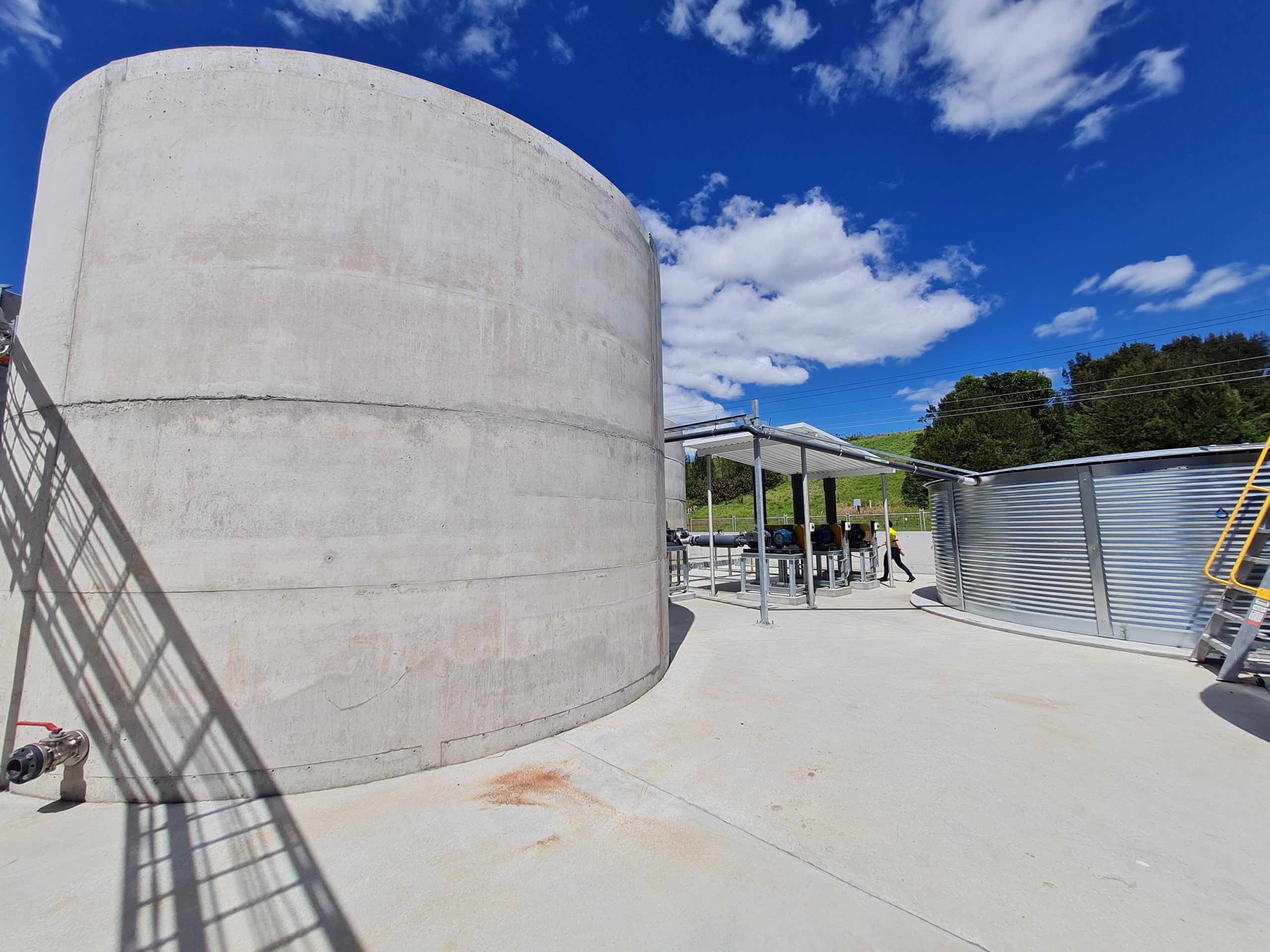
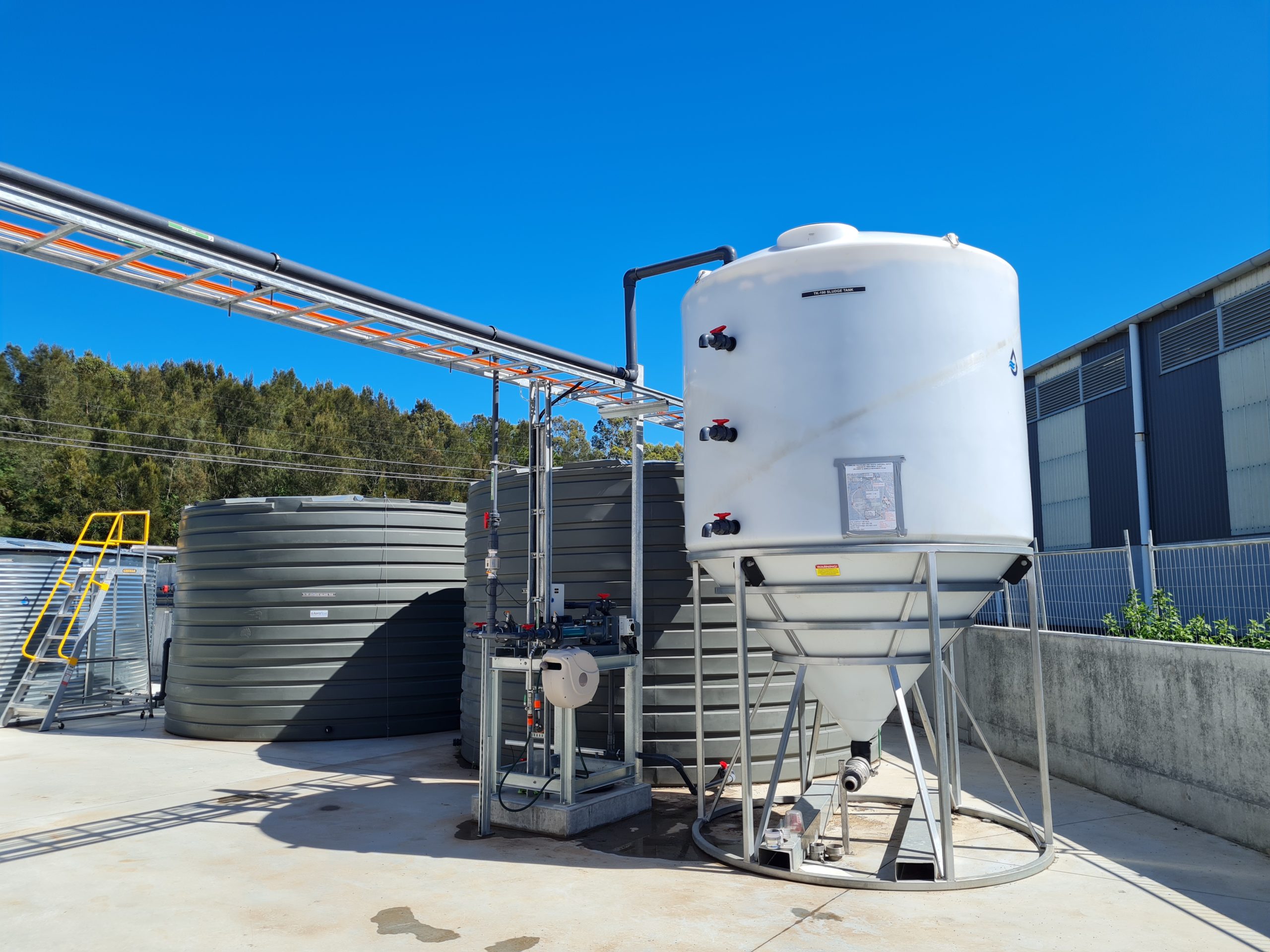
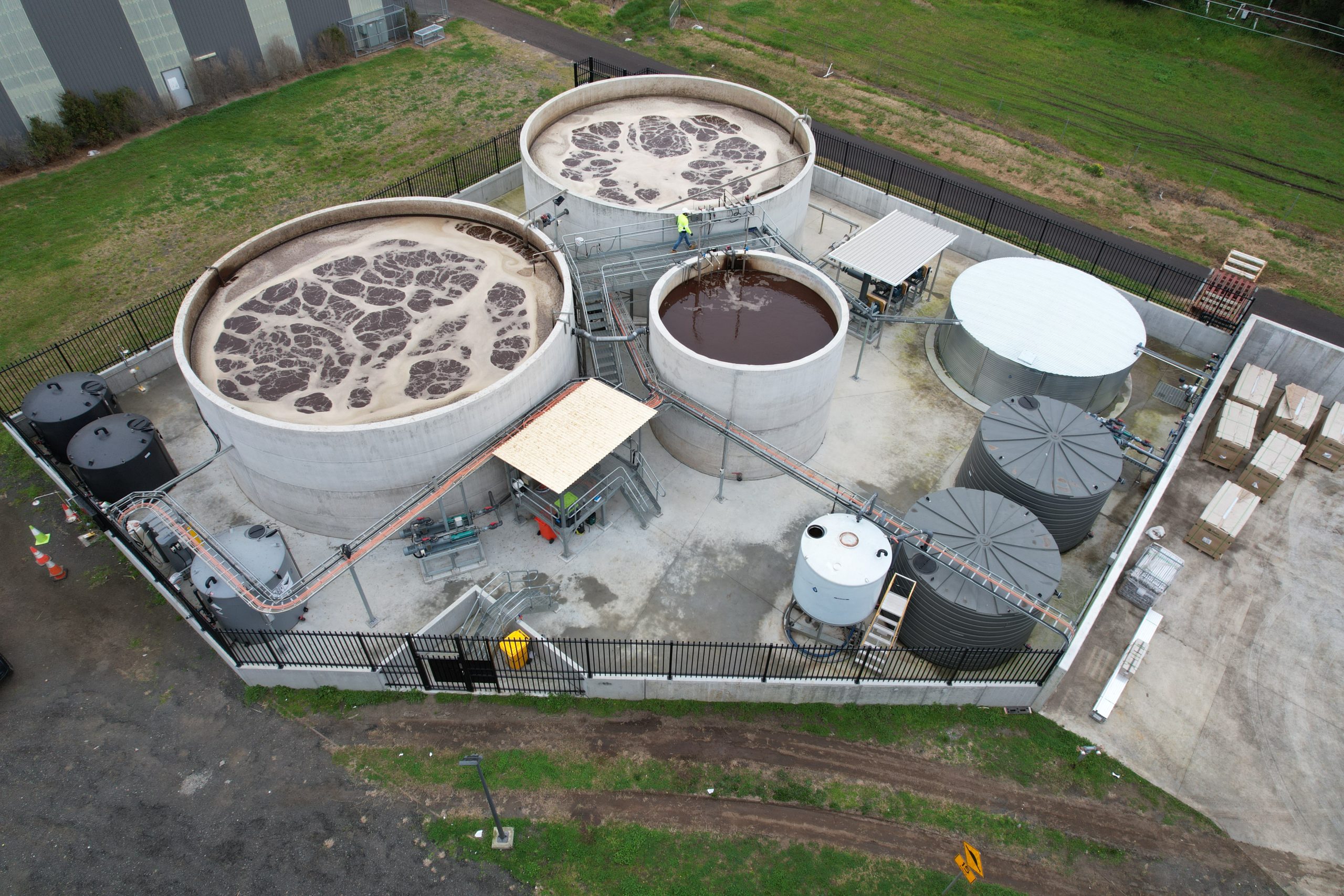
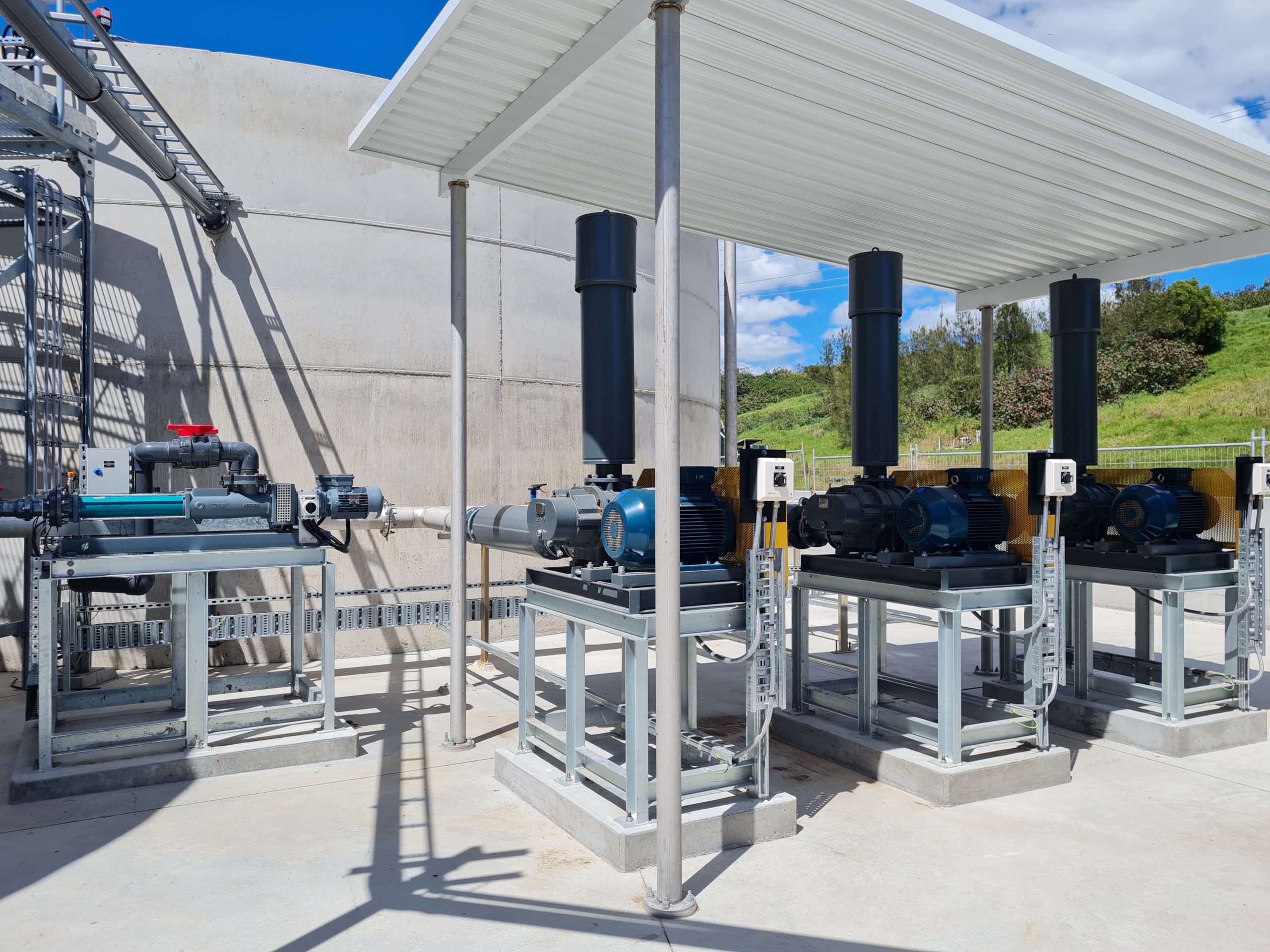
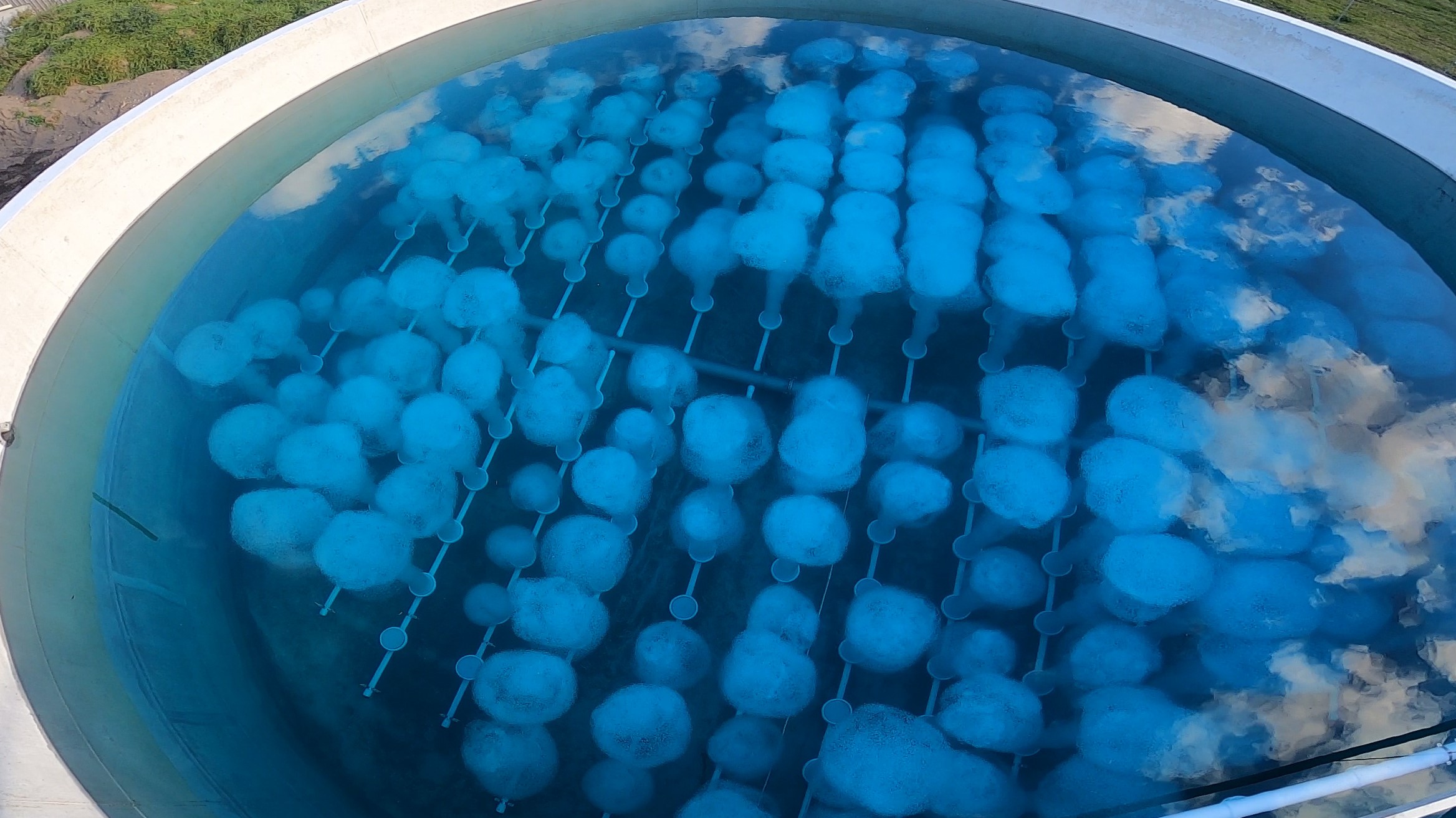
Explore our gallery below to discover the diverse and innovative leachate treatment plants that Aerofloat has delivered to waste depots and recycling centres throughout Australia.
Aerofloat designed and built a fully automated leachate treatment plant in Queensland, combining advanced biological processes and PFAS-ready filtration to ensure long-term compliance and environmental protection.


Aerofloat is dedicated to designing, installing and maintaining high-functioning wastewater treatment systems that meet the ever-changing needs of landfills and recycling facilities. Committed to providing the highest standard of work and practices, Aerofloat delivers world-class solutions for unique waste challenges, boosting operational efficiency, saving costs, and ensuring full compliance.
Compliant to local standards
Fully warranted
Australian made
Installed by in-house engineers
Leachate contains a wide range of dissolved and suspended contaminants, making it one of the most complex and variable effluent streams to manage. Generally containing elevated levels of nitrogen, ammonia, organic contaminants, suspended solids and, in some cases, trace contaminants such as PFAS.
As regulatory focus continues to sharpen, these contaminants will continue to shape future innovations and leachate treatment plant designs. At Aerofloat, we constantly invest in evolving biological treatment processes that industries can deploy to manage waste responsibly and effectively as challenges evolve.
Under trade waste agreements, most leachate treatment plants discharge to sewers. Water authorities focus on ammonia because:
As a result, trade waste limits for ammonia and TKN in leachate are typically stringent and increasingly enforced by water authorities.
Leachate is significantly more complex and variable than traditional municipal wastewater.Â
Leachate contains:
Recycling plants, waste facilities, and landfills therefore require on-site leachate treatment plants to stay compliant and manage contaminants at the source, rather than relying on downstream municipal infrastructure.
Aerofloat specialises in on-site leachate treatment systems, removing biological nitrogen and ammonia before discharge. This eliminates the need to truck away thousands of litres of leachate generated by landfill, while protecting municipal water plants and the environment.
Aerofloat leachate treatment plant processes include:
This tailored leachate treatment approach is designed to effectively replicate and supplement municipal treatment processes at the client’s site.
Both Aerobic and Anoxic treatment offer benefits for different sites. The best choice for each facility will depend on the regulatory requirements:
Aerofloat leachate treatment plants are engineered to:
Aerofloat’s designs are tailored to:
From managing variable leachate flows to reducing operational costs, whatever your wastewater challenge, we can develop a custom wastewater treatment solution for you.
Contact our experts at Aerofloat today to discuss your unique leachate treatment challenges and discover how we can help deliver a tailored system to streamline your operations and save you money.