
- Wastewater
-
- Services
- Case Studies
-
Case Studies by Industry
Latest Case Study
-
- Solutions
-
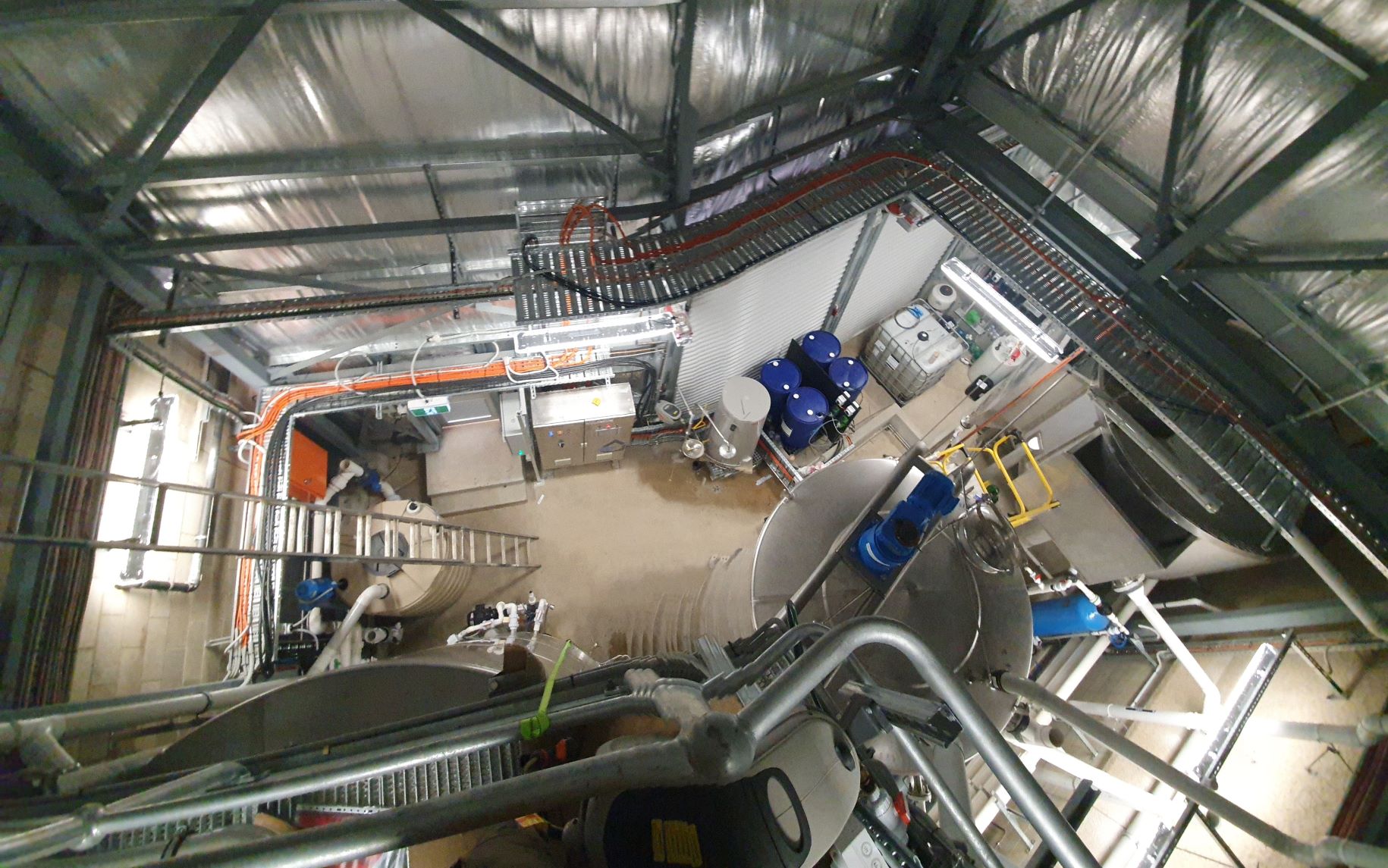
36 m³/hr AeroCIRC M600 DAF designed to replace an existing grease arrestor arrangement and accommodate increasing food court wastewater volumes.
Food courts create a wastewater challenge unlike almost any other commercial environment. Multiple restaurants, cafés, takeaway outlets and food retailers operate from a single precinct, all discharging into shared wastewater infrastructure. Fats, oils, grease, food solids and cleaning wastewater can combine into a highly variable waste stream that changes throughout the day.
During peak trading, wastewater volumes can rise rapidly. At the same time, heavy grease and solids loads can create blockages, odour, maintenance issues and the risk of non-compliant trade waste discharge.
Aerofloat has designed and delivered wastewater treatment systems specifically for food court environments, including Melrose Park Town Centre, Chatswood Chase, and Edmonson Park in Sydney, and Westfield Westlakes in South Australia.
Our dissolved air flotation (AeroDAF) systems are designed around the realities of busy food courts: high flows, heavy FOG loads, variable wastewater, limited space, automated operation requirements and the need for reliable long-term performance.


A food court brings together a wide range of wastewater sources in one system.
A single day’s wastewater may contain cooking oils and fats, grease from meat and dairy products, food particles, starches, sauces and cleaning chemicals, all generated by different businesses with different trading patterns.
The result can be a wastewater stream with:
This is why food court wastewater treatment needs to be engineered around the whole site, not simply sized around an average daily flow.
Aerofloat’s dissolved air flotation (AeroDAF) technology is particularly effective for food court wastewater because it targets the contaminants that create many of the biggest operational problems: fats, oils, grease and suspended solids.
Within the AeroDAF process, wastewater is treated with carefully selected chemicals before being exposed to a stream of microscopic air bubbles. These bubbles attach to fine particles, fats and other contaminants, causing them to float to the surface where they can be mechanically removed.
The treated water then leaves the AeroDAF system for compliant discharge. This provides a controlled separation process that can significantly reduce the FOG and solids loading entering downstream infrastructure.
For food courts, however, the AeroDAF itself is only part of the solution. Aerofloat designs the surrounding system, including: screening, sludge handling, flushing, automation and pump-out, to suit the specific operating environment.
At Melrose Park Town Centre, Aerofloat designed and delivered a high-capacity AeroGDAF60 wastewater treatment plant capable of treating up to 60 kL/hr, with automated controls, hot-water flushing and remote sludge management designed specifically for the demands of a busy food court.
Melrose Park is a great example of designing wastewater treatment around the realities of a busy food precinct. The system is built to handle high flows and heavy grease loads reliably, while keeping day-to-day maintenance as simple as possible.
Michael Anderson, Chief Executive Officer of Aerofloat
Space is often one of the biggest constraints when upgrading food court wastewater infrastructure, requiring treatment systems to deliver higher performance without expanding their footprint.
At Westfield West Lakes in South Australia, Aerofloat designed and installed a customised AeroCIRC M600 DAF to manage increasing food court wastewater volumes, treating peak flows of up to 36 m³/hr within a constrained footprint.
At West Lakes we designed the system around the site, rather than trying to make a standard system fit. We were able to increase treatment capacity while making the most of the space available.
Michael Anderson, Chief Executive Officer of Aerofloat
The busiest period of the day is often the most important period for a food court wastewater system. Lunch and dinner services can generate substantial increases in both wastewater flow and contaminant loading. Cleaning and washdown can create additional surges. Aerofloat considers these operating patterns when designing the treatment system.
Rather than simply designing around an average daily flow, our engineers consider:
An AeroDAF is an important component of food court wastewater treatment, but reliable performance depends on the entire system working together.
Aerofloat can integrate:
Each component is considered as part of the overall wastewater treatment solution. The result is a treatment plant designed not just to remove contaminants, but to operate reliably within a busy commercial environment.
Food court wastewater is constantly evolving. Tenants change, menus are updated, trading volumes increase, and cleaning practices shift over time. New outlets also open, each introducing different operational demands and wastewater characteristics.
The wastewater treatment system therefore needs ongoing attention to ensure it continues to perform as the food court evolves. Aerofloat provides ongoing servicing, chemical supply, wastewater testing and engineering support for food court wastewater treatment systems.
Our team can monitor treatment performance, review laboratory results, optimise chemical dosing and identify potential issues before they become larger operational problems.
For shopping-centre operators, this provides an ongoing point of support long after the treatment plant has been installed.
At Edmondson Park in Sydney, Aerofloat designed a customised DAF wastewater treatment solution for the food court, incorporating automated PLC controls and a remote HMI at the loading dock for simple day-to-day operation. The system was designed around the demands of a major commercial development, with space, access and centre operations all considered from the outset.
Edmondson Park shows what is possible when wastewater treatment is considered as part of the overall development. We designed the system to work within the site, while giving operators the control and visibility they need. Aerofloat has continued to service the site fortnightly for several years, ensuring ongoing wastewater compliancy and system reliability for the shopping centre.
Michael Anderson, Chief Executive Officer of Aerofloat
36 m³/hr AeroCIRC M600 DAF designed to replace an existing grease arrestor arrangement and accommodate increasing food court wastewater volumes.
Customised AeroCIRC DAF solution for Frasers Property, incorporating automated PLC controls and remote HMI operation.

















Food court wastewater presents unique treatment challenges due to its variability and high grease content, making a tailored, fit-for-purpose solution essential for reliable performance.
Aerofloat designs wastewater treatment systems around the actual conditions of the site; from peak flows and FOG loading through to sludge handling, pump-out, automation, maintenance and future growth.
Whether you’re developing a new shopping centre, expanding an existing food court or looking to replace an ageing system, Aerofloat can develop a compact, automated and reliable wastewater treatment solution designed to keep your food court operating. Talk to the Aerofloat team today about your food court wastewater treatment requirements.
